Air pollution is one of the greatest environmental risk to health. In 2019, 99% of the world population was living in places where the WHO air quality levels were not met. Ambient air pollution in both cities and rural areas was estimated to cause
4.2 million premature deaths worldwide in 2016. The indoor smoke can also be
a serious health risk for some 2.6 billion people who cook and heat their homes with biomass, kerosene fuels and coal.
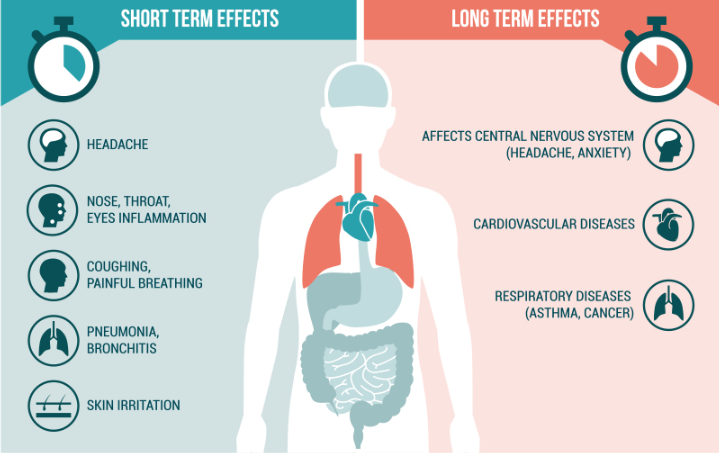
By reducing air pollution levels, we can: -> reduce the burden of disease from stroke, heart disease, lung cancer
-> minimize chances of both chronic and acute respiratory diseases, including asthma.
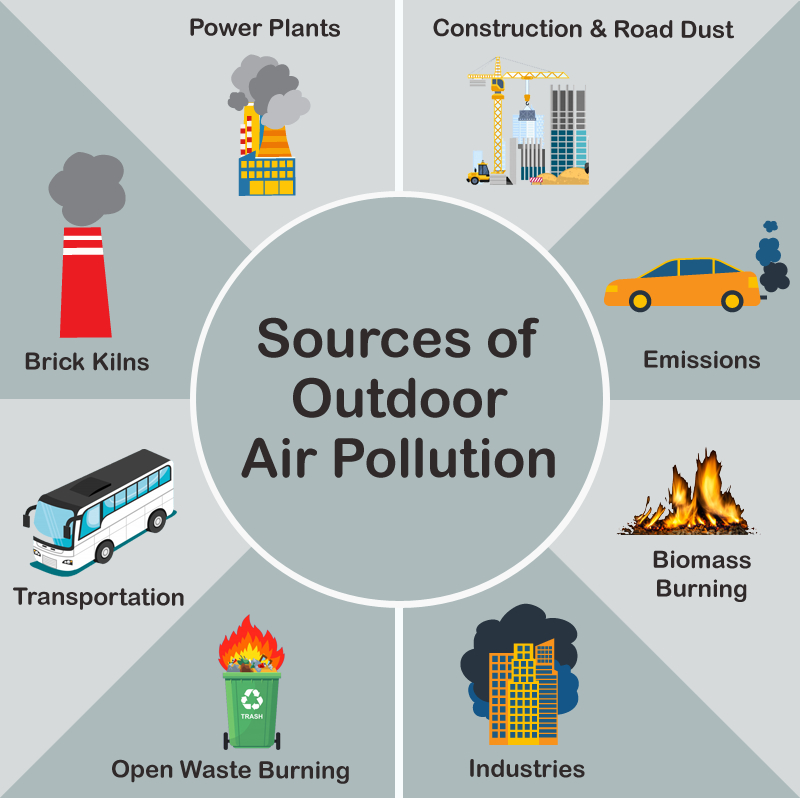
Policies supporting cleaner transport, energy-efficient homes, power generation, industry and better municipal waste management would reduce key sources of outdoor air pollution.
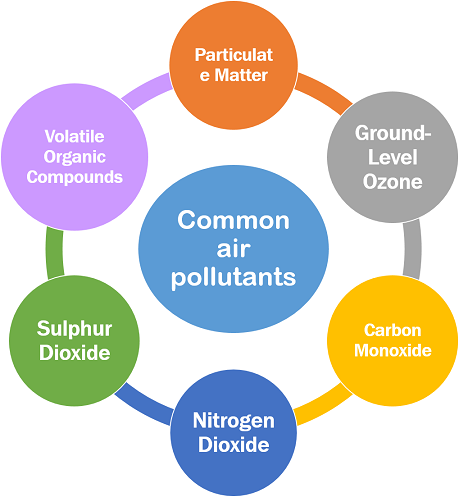
The WHO Global air quality guidelines offer global guidance on thresholds for key air pollutants that pose health risks. Some of them are given below:
Ozone (O3)
- 100 μg/m3, 8-hour daily maximum
- 60 μg/m3 8-hour mean in six consecutive months
Main Sources:
photochemical smog|vehicle-industry emissions|volatile organic compounds(VOCs)
Health Effects:
breathing problems, trigger asthma, reduce lung function and cause lung diseases
Nitrogen dioxide (NO2)
- 10 μg/m3 annual mean
- 25 μg/m3 24-hour mean
Main Sources:
nitrate aerosols(PM2.5)|combustion processes(heating, power generation,etc.)
Health Effects:
increased bronchitis in asthmatic children, reduced lung function growth
Sulfur dioxide (SO2)
- 40 μg/m3 24-hour mean
Main Sources:
burning of sulfur-containing fossil fuels for power generation and motor vehicles6
Health Effects:
Inflammation of the respiratory tract, irritation of the eyes, cardiac disease, acid rain
Coarse particulate matter (PM10)
- 15 μg/m3 annual mean
- 45 μg/m3 24-hour mean
Main Sources:
dust from construction sites,agriculture|wildfires,waste burning|fragments of bacteria
Health Effects:
wheezing, asthma attacks, high blood pressure, heart attack, premature death